By the SAAFO Safaris team | Last updated: November 2026
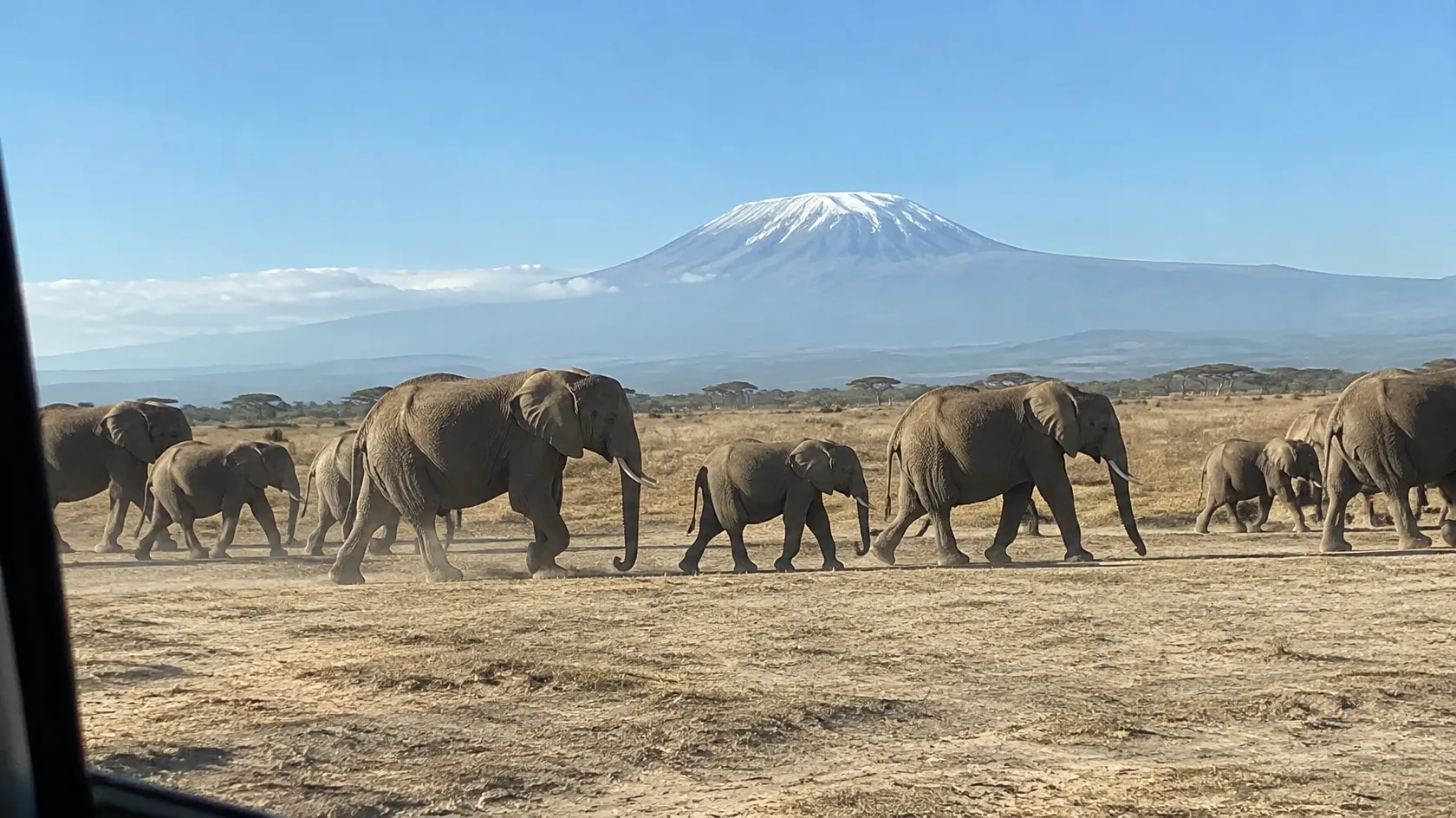
An Amboseli National Park safari delivers one of the most photographed scenes in Africa: a herd of elephants crossing open plains with the snow-capped peak of Mount Kilimanjaro behind them. It is also one of the easiest parks to reach from Nairobi, quieter than the Mara, and well suited to short trips. This guide covers what you will see, the best months for clear mountain views, 2026 park fees for visitors and Kenyan citizens, how to get there, and how many days you really need.
Start with our Amboseli safari page for the destination overview, then browse our safari tour packages to see itineraries that include it. If you are still choosing dates, read our guide to the best time to visit Kenya for a safari, and keep our Kenya safari costs guide open when you plan your budget.
|
Detail |
What to Know |
|---|---|
|
Location |
Southern Kenya, on the Tanzania border, at the foot of Kilimanjaro |
|
Size |
About 392 square km, inside an ecosystem of roughly 8,000 square km |
|
Distance from Nairobi |
About 230 to 240 km |
|
Drive time |
4 to 5 hours, or about 45 to 60 minutes by light aircraft (compare with Nairobi to Masai Mara) |
|
Best for |
Elephants, Kilimanjaro views, photography, short trips (see the Big Five in Kenya) |
|
Best months |
June to October, and January to February (see best time to visit Kenya) |
|
Non-resident adult fee |
$90 per day (see our Kenya safari costs guide) |
|
Kenyan citizen adult fee |
KES 1,500 per day (see Safari for Residents) |
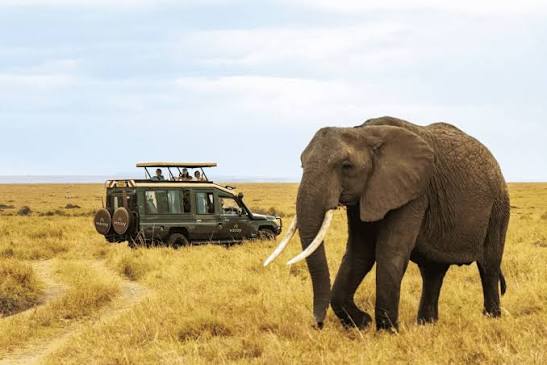
Amboseli is home to one of the most closely studied elephant populations in the world, with an estimated 1,600 or more animals. The Amboseli Elephant Research Project has followed these herds since 1972, and you can read about that work on the Amboseli Trust for Elephants website. The park is also known for large-tusked bulls and for elephants that are relaxed around vehicles, so you can watch family groups at close range. Because it is only a few hours from the capital, it also works for the kind of short trips covered in our weekend safari getaways from Nairobi guide.
The elephants follow a daily rhythm that helps you plan your drives. Around 7am, many herds move from the woodland beneath Kilimanjaro toward the central swamps, and in the late afternoon they walk back again. Those two windows give the best light and the best chance of the famous mountain backdrop.
|
Months |
Conditions |
What to Expect |
|---|---|---|
|
January to February |
Dry, warm |
Clear mornings, strong Kilimanjaro views |
|
March to May |
Long rains |
Green, quieter, mountain often hidden |
|
June to October |
Dry season |
Best game viewing, elephants near the swamps |
|
November to December |
Short rains, then dry |
Good value, views improving |
The dry months push wildlife toward permanent water, so animals are easier to find, while the green season is cheaper, as our budget safari in Kenya guide explains. Kilimanjaro is clearest in the early morning before cloud builds, so plan a sunrise drive rather than a midday one. For a wider look at the calendar, see our best time to visit Kenya for a safari guide.
|
Animal |
Likelihood |
Notes |
|---|---|---|
|
Elephant |
Almost certain |
Large herds all year |
|
Buffalo and zebra |
Very likely |
Gather around the swamps |
|
Wildebeest and giraffe |
Very likely |
Open plains |
|
Lion |
Likely |
Often seen early or late |
|
Cheetah |
Possible |
Open plains hunting |
|
Hippo |
Likely |
In the swamps |
|
Rhino |
None |
Not found in the park |
|
Birds |
Excellent |
Hundreds of species, best around the swamps |
Amboseli does not have rhinos, so it is not a complete Big Five park. If that is your goal, pair it with a rhino stop at Ol Pejeta or Lake Nakuru, and our guide to the Big Five in Kenya explains how to build the route.
The classic shot is a herd in the foreground with the summit behind, and it takes a little planning. Shoot in the first hour after sunrise when the air is clear and the light is warm, and again in the last hour before sunset. A 200 to 400mm lens works well for herd portraits, while a wide lens helps you include the mountain. Ask your guide to position the vehicle with the sun behind you, and be patient, because elephants often walk into the perfect frame if you wait. The dry lakebed throws up dust, so keep a cover handy, and bring a spare battery for the early starts. To pair Amboseli with a bigger park, see our Masai Mara safari page.
Park fees are set by the Kenya Wildlife Service, and Amboseli sits in the premium tier alongside Lake Nakuru. Rates below reflect the 2026 schedule, but fees change, so confirm current figures on the official Kenya Wildlife Service website.
|
Visitor Category |
Adult per Day |
Child per Day |
|---|---|---|
|
Non-resident |
$90 |
$45 |
|
Kenyan or East African citizen |
KES 1,500 |
KES 750 |
|
Kenya resident (foreign national) |
KES 2,025 |
KES 1,050 |
Tickets cover 24 hours, so a two-night stay can mean paying for more than one day, and a small vehicle entry charge may also apply.
|
Trip Style |
Typical Cost per Person per Day |
|---|---|
|
Group-joining or budget |
About $150 to $250 |
|
Mid-range private |
About $250 to $500 |
|
Comfortable to premium lodge |
About $400 to $850 |
For ways to cut costs, read our guide to a budget safari in Kenya, and our safari tipping guide for Kenya shows how much to budget for gratuities.
|
Option |
Time |
Notes |
|---|---|---|
|
Road |
4 to 5 hours |
Via Mombasa Road, turning at Emali toward Oloitokitok, or via Namanga |
|
Scheduled flight |
About 45 to 60 minutes |
From Wilson Airport to the Amboseli airstrip, with carriers such as Safarilink |
Road transfers are the cheapest and give you scenery on the way, while a flight saves most of a day. A 4×4 is wise in the rains because the clay soils turn to mud. If you are comparing transport options for other parks, our guide to Nairobi to Masai Mara shows how road and air costs compare.
|
Length |
Best For |
What You Get |
|---|---|---|
|
1 night |
Residents and very short breaks |
One evening and one morning drive |
|
2 nights |
Most travelers |
Sunrise Kilimanjaro drive, swamps, Observation Hill |
|
3 nights |
Photographers |
Several light conditions, more chance of clear views |
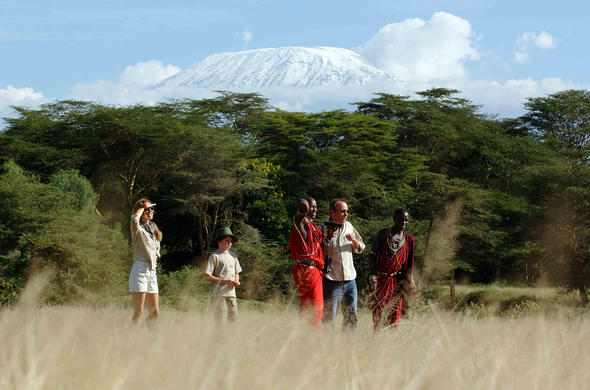
A simple 3-day plan: travel on day one with an afternoon drive, spend day two on a sunrise drive, Observation Hill and a village visit, and return on day three after a final morning drive. For a longer circuit, see our 7-day Kenya expedition and the 8-day Bespoke Big Five safari.
|
Factor |
Amboseli |
Masai Mara |
Samburu |
|---|---|---|---|
|
Famous for |
Elephants and Kilimanjaro |
Big cats and migration |
Special Five species |
|
Crowds |
Moderate |
Higher in peak months |
Low |
|
Drive from Nairobi |
4 to 5 hours |
5 to 6 hours |
6 to 7 hours |
|
Non-resident fee |
$90 |
$100 or $200 |
About $85 |
Our Samburu vs Masai Mara comparison goes deeper on the other two, and you can see each park on our Masai Mara safari and Samburu pages.
What is the best time to visit Amboseli? June to October and January to February are best, when the dry season concentrates wildlife and Kilimanjaro is often clear in the early morning.
How much are Amboseli National Park fees in 2026? Non-resident adults pay $90 per day and children $45. Kenyan citizens pay KES 1,500 per adult and KES 750 per child.
How far is Amboseli from Nairobi? About 230 to 240 km, which takes 4 to 5 hours by road or about 45 to 60 minutes by scheduled flight.
How many days do I need in Amboseli? Two nights is ideal for most travelers, and three nights gives photographers more chances for clear mountain views.
Can you see Mount Kilimanjaro from Amboseli? Yes, and it is clearest in the early morning and during the dry months, though clouds can hide the summit at any time.
Whether you want a quick two-night escape or a longer Kenya circuit, we can handle transport, lodging and timing around the best light. Explore our safari destinations in East Africa, browse our safari tour packages, or contact our team to plan your Amboseli National Park safari.