Figuring out the best time to visit Kenya for a safari is the single biggest factor in how your trip turns out. It decides whether you catch the Great Migration thundering across the Mara River, how much you pay for lodges, and even how muddy your game drives get. Kenya is a year-round safari destination, but each season has a very different personality. This month-by-month guide breaks down exactly when to go depending on what you want to see, your budget, and which parks are on your list.
Before diving into individual months, it helps to understand Kenya’s two broad safari seasons:
Neither season is “wrong,” it really depends on what kind of experience you’re after. Here’s how it breaks down month by month.
This is a quietly excellent window for a Kenya safari. The short rains have passed, the bush is still relatively open, and it’s calving season in many parks, which means predators are active and easy to find. It’s also a good time to combine a safari with a beach extension, since it falls outside the long rains.
This is Kenya’s low season, and while some travelers avoid it, it’s genuinely one of the best times to visit Kenya for photographers and budget-conscious travelers. Expect emerald landscapes, dramatic cloud cover, migratory birds, and significantly discounted rates. Afternoon showers are common, particularly in April, so pack accordingly.
June is when Kenya starts to dry out again, crowds are still thin, and prices haven’t hit their peak yet. Wildlife viewing is already excellent, making it a favorite among returning safari travelers who know the calendar well.
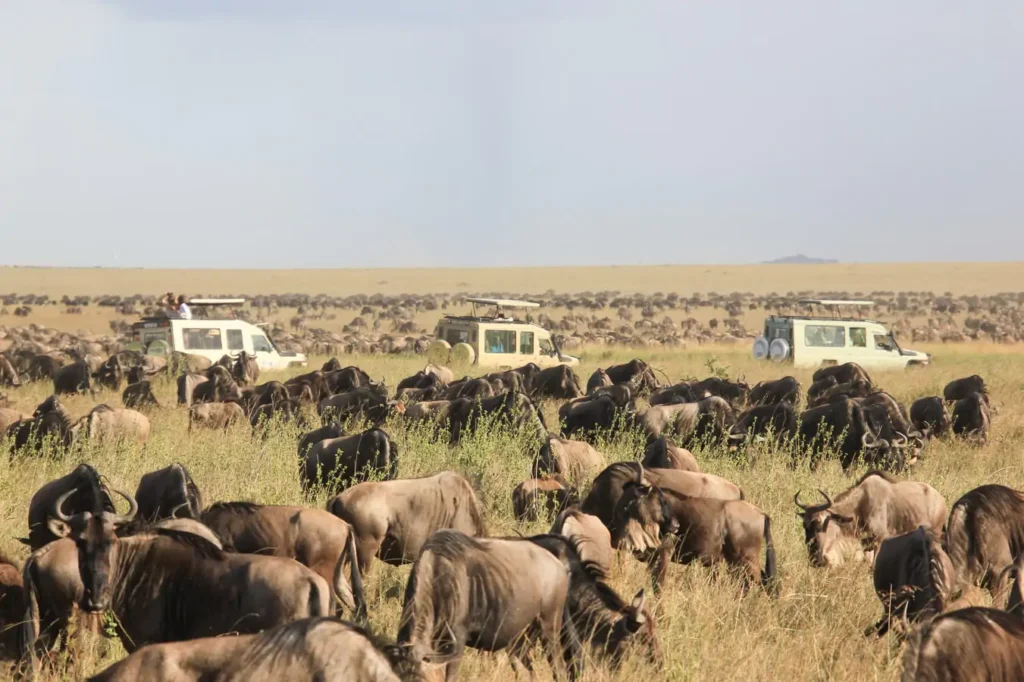
This is, without question, the most popular window and the answer most people are actually looking for when they ask about the best time to visit Kenya for a safari. The Great Migration typically arrives in the Masai Mara around late July, with the famous river crossings peaking through August and September. Skies are clear, wildlife concentrations are at their highest, and this is peak Kenya safari season, so book lodges and camps well in advance, as availability tightens fast.
Short, sharp afternoon showers roll in but rarely disrupt game drives. Landscapes turn green again, crowds thin out, and rates drop from peak-season highs, making November an underrated month for value-conscious travelers.
December brings a second, shorter peak as families and holiday travelers arrive. Weather is generally dry and pleasant, wildlife viewing is strong, and it pairs well with a Christmas or New Year getaway, including combination trips like our Dubai Christmas Holiday Package for travelers extending beyond East Africa.
If the Great Migration is the main reason for your trip, timing matters more than anywhere else. The herds are typically in the Masai Mara National Reserve from around July through October, with the dramatic Mara River crossings most likely between August and September. Outside that window, the same herds are usually further south in Tanzania’s Serengeti. If you’re weighing the two, our guide on Kenya vs Tanzania Safari breaks down which country suits your travel style and timeline.
Timing also shifts by park. In Amboseli National Park, the clearest views of Mount Kilimanjaro tend to come in the early mornings during the dry months of June to October and January to February, when haze is minimal and the mountain’s snow-capped peak sits sharply against the sky. Amboseli is also one of the most reliable parks for elephant sightings year-round, so it’s forgiving even outside peak months.
Heading north to Samburu, the dry months (June–October and January–February) concentrate wildlife around the Ewaso Nyiro River, making sightings of Samburu’s “special five” (Grevy’s zebra, reticulated giraffe, Somali ostrich, gerenuk, and Beisa oryx) much easier. Samburu tends to stay less crowded than the Mara even during peak season, which makes it a great add-on for travelers who want big wildlife moments without the crowds.
| Months | Season | Best For |
|---|---|---|
| Jan – Feb | Dry | Predator activity, clear Kilimanjaro views |
| Mar – May | Green/Wet | Budget travel, photography, fewer crowds |
| June | Shoulder | Good value before peak season hits |
| Jul – Oct | Peak Dry | Great Migration, river crossings, best overall wildlife viewing |
| Nov | Short Rains | Green scenery, lower rates, fewer tourists |
| Dec | Dry/Festive | Holiday travel, family safaris |
There’s no single “best” month for everyone. The right time to visit Kenya for a safari depends on whether you’re chasing the Great Migration, hunting for photography light, or simply looking for the best rates. Whichever season fits your plans, SAAFO Safaris can build a fully customized itinerary around it. Browse our Kenya safari packages or explore standout routes like the 7-Day Kenya Expedition and the 8-Day Bespoke Big Five Safari, or get in touch and let our team match you to the ideal travel window.