By the SAAFO Safaris team | Last updated: October 2026
Seeing all of the Big Five in Kenya on a single trip is realistic, but only if you plan around the rhino. Lion, leopard, elephant and buffalo turn up in several parks, while rhinos live in a handful of protected sanctuaries and conservancies. The good news is that Kenya is a conservation success story: the national rhino population rose from 2,102 at the end of 2024 to 2,282 in 2025, and Kenya recorded no rhino poaching in 2025. This guide shows which parks deliver each animal, the best months to go, and how to build an itinerary that completes the full set.
If you want a route designed around this goal, look at our 8-day Bespoke Big Five safari, or browse our safari tour packages. Most itineraries start in the Masai Mara, and our guide to the best time to visit Kenya for a safari helps with dates.
|
Animal |
How Easy to See |
Best Parks |
Notes |
|---|---|---|---|
|
Lion |
Easy |
Masai Mara, Amboseli, Samburu |
Best at dawn and dusk |
|
Leopard |
Hardest of the cats |
Masai Mara riverbanks, Samburu |
Needs patience and a good guide |
|
Elephant |
Easy |
Amboseli, Tsavo, Samburu |
Amboseli has the largest herds |
|
Buffalo |
Easy |
Masai Mara, Amboseli, Lake Nakuru |
Found in almost every major park |
|
Rhino |
Needs planning |
Lake Nakuru, Ol Pejeta, Nairobi National Park |
The fifth animal on most trips |
The Big Five are the lion, leopard, African elephant, Cape buffalo and rhinoceros. The term started with hunters, who ranked them as the five most dangerous animals to hunt on foot, and it was never about size. Today it is a photography checklist, and these animals are protected across national parks, private conservancies and community lands.
|
Park |
Lion |
Leopard |
Elephant |
Buffalo |
Rhino |
|---|---|---|---|---|---|
|
Excellent |
Good |
Good |
Excellent |
Rare |
|
|
Good |
Rare |
Excellent |
Good |
None |
|
|
Moderate |
Moderate |
Limited |
Excellent |
Excellent |
|
|
Good |
Moderate |
Good |
Good |
Excellent |
|
|
Good |
Good |
Excellent |
Limited |
None |
|
|
Nairobi National Park |
Good |
Moderate |
None |
Good |
Good |
These ratings are general guidance from typical sightings. Wildlife is wild, so no operator can guarantee a sighting.
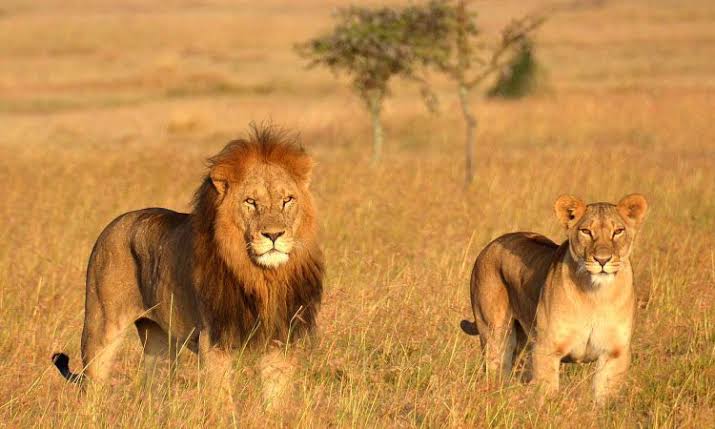
The Masai Mara has one of the highest lion densities in Africa, and the open plains make prides easy to spot, especially early in the morning. Amboseli and Samburu also deliver good lion sightings. Ask your guide to head out at first light, when cats are still active after the night.
Leopards are solitary, shy and most active at dawn and dusk, so they are usually the last animal people tick off. The Mara and Talek river lines are among the best places in Kenya, and Samburu’s riverine forest along the Ewaso Nyiro is excellent leopard habitat. Stay at least three nights in the Mara, and consider a conservancy stay where night drives are allowed.
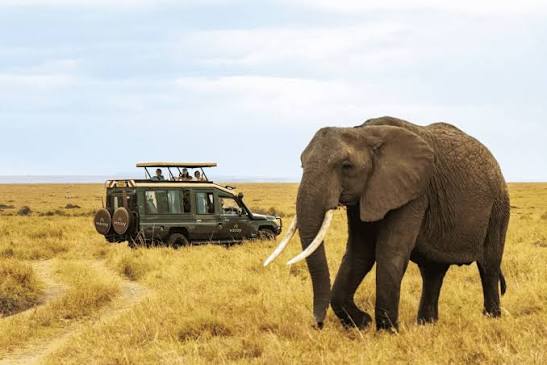
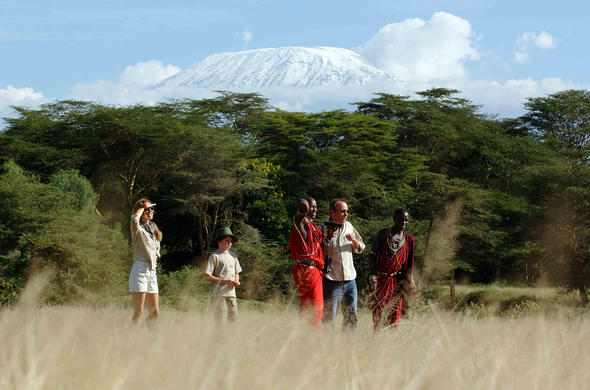
Amboseli is the elephant park of Kenya, with large family herds and a Kilimanjaro backdrop. Tsavo has the country’s largest population overall, and Samburu offers elephants beside the river. You will almost certainly see elephants on any Kenya safari.
Buffalo are the most widespread of the five, with big herds in the Mara, Amboseli and Lake Nakuru. They are usually easy to find, but give them space, because a lone bull can be unpredictable.
The rhino is the hard one, and it is also Kenya’s proudest story. KWS reported that black rhino numbers reached 1,147 by the end of 2025, and the wider rhino population rose to 2,282 that year. Most rhinos live in fenced sanctuaries and conservancies such as Ol Pejeta and Lake Nakuru, where sightings are reliable. The Mara protects a small population, with 54 rhinos recorded in the 2025 census across the reserve and the Mara Triangle, but they roam a vast unfenced area, so sightings are never guaranteed. For the full conservation picture, see Save the Rhino and the official Kenya Wildlife Service site.
Yes, if you include a rhino park. The strongest approach is the Mara for lion, leopard, elephant and buffalo, plus Lake Nakuru or Ol Pejeta for rhino.
|
Route |
Length |
What It Covers |
|---|---|---|
|
Mara and Lake Nakuru |
5 to 6 days |
Lion, leopard, buffalo, then rhino |
|
Amboseli, Lake Nakuru and Mara |
7 to 8 days |
Elephants, rhino, then big cats |
|
Samburu, Ol Pejeta and Mara |
8 to 9 days |
Elephants and leopard, rhino, then big cats |
A good plan also allows enough days. Three nights in the Mara, one or two at a rhino park, and one or two in Amboseli give you strong odds of completing the full set. For a classic combination of parks, our 7-day Kenya expedition is a useful starting point.
|
Months |
Conditions |
Big Five Verdict |
|---|---|---|
|
July to October |
Dry, animals gather at water |
Best overall, but busiest and pricier |
|
January to February |
Dry and warm |
Excellent, with fewer visitors |
|
March to May |
Green season, thick bush |
Cheaper, but harder to spot cats and rhino |
|
November to December |
Short rains, then dry |
Good value with improving visibility |
Dry months make all five easier to see because vegetation thins and animals visit rivers and waterholes. If the migration matters to you, read our guide to the Masai Mara Great Migration river crossings.
Park fees depend on the park and your residency status. Non-resident adults pay $90 per day at Amboseli and Lake Nakuru, $80 at Nairobi National Park, and $100 or $200 per day at the Mara depending on the season. Kenyan citizens pay far less, for example KES 1,500 at Amboseli and Lake Nakuru and KES 1,000 at Nairobi National Park. Our Kenya safari costs guide breaks down accommodation and add-ons, and our safari tipping guide for Kenya shows how much to budget for guides.
Residents do not need a long trip to see most of the Big Five. Nairobi National Park has lions, buffalo and rhinos within 30 minutes of the city, and Lake Nakuru adds a very reliable rhino day. Our guide to weekend safari getaways from Nairobi shows citizen fees and sample plans, and our Safari for Residents page lists packages with local rates.
Time is the cheapest way to improve your odds, so plan your nights around the animals you most want.
|
Park |
Suggested Nights |
Why |
|---|---|---|
|
Masai Mara |
3 or more |
Lion, leopard, buffalo and elephant, plus time for a missed sighting |
|
Lake Nakuru or Ol Pejeta |
1 to 2 |
Reliable rhino sightings and a change of scenery |
|
Amboseli |
2 |
Elephants and Kilimanjaro views |
|
Samburu |
2 |
Leopard, elephants and rare northern species |
Most disappointments come from planning, not from the wildlife. The first mistake is skipping a rhino park and hoping for the best in the Mara, where rhinos roam a huge area. The second is booking too few nights, because leopards and rhinos often need a second or third drive. The third is traveling in the wet season and expecting the same visibility as the dry months. Finally, many travelers treat the Big Five as a race and miss the rest of the wildlife, from cheetahs to birds, which often provides the most memorable moments of a trip.
Can you see the Big Five in Kenya? Yes. Lion, leopard, elephant, buffalo and rhino all live in Kenya, though rhino sightings depend on visiting a rhino park such as Lake Nakuru or Ol Pejeta.
Which park is best for seeing all five? The Masai Mara is best for lion, leopard, elephant and buffalo, and pairing it with Lake Nakuru or Ol Pejeta completes the set.
Is it hard to see rhinos in Kenya? Not if you choose the right park. Lake Nakuru and Ol Pejeta offer reliable sightings, while the Mara protects only a small, wide-ranging population.
How many days do I need to see the Big Five? Seven to nine days across two or three parks gives you strong odds, with at least three nights in the Mara.
What is the best month for the Big Five? July to October and January to February are best, because dry conditions concentrate wildlife near water.
Completing the full set comes down to choosing the right parks and giving yourself enough nights. Explore the 8-day Bespoke Big Five safari, see our safari destinations in East Africa, or contact our team to build a route around the Big Five.