Planning a family safari in Kenya is one of the best decisions you can make for a trip your kids will actually remember, but it does take a bit more thought than a standard adult itinerary. Age restrictions, malaria risk, long drive times, and how much wildlife action little attention spans can realistically handle all factor into where you go and how you plan the days. This guide covers the best parks for traveling with children, what to check before booking, and practical tips for keeping everyone, kids included, genuinely enjoying the trip.
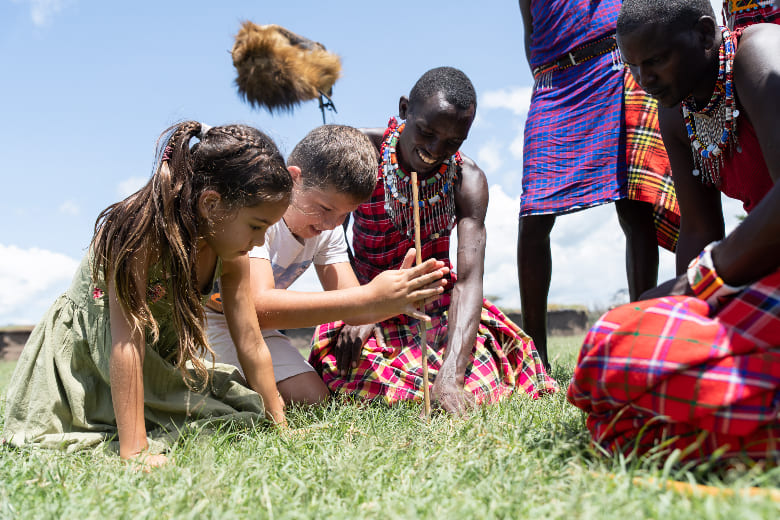
Kenya has a rare combination of short domestic flight times, a wide range of family-friendly lodges, and parks close enough to Nairobi that you’re not stuck in a vehicle for eight hours before the safari even starts. Many camps have decades of experience hosting multi-generational groups and have built entire programs, junior ranger badges, cooking lessons, guided nature walks, around keeping children engaged between game drives. That infrastructure is exactly why traveling with kids here tends to feel far less stressful than parents expect going in.
The private conservancies bordering the Masai Mara National Reserve, such as Mara North and Naboisho, are generally better suited to families than the reserve itself. Conservancies allow night game drives, off-road driving to get closer to sightings, and walking safaris, activities the main reserve restricts, and most set a minimum age of around 6 to 8 years old for those extras rather than banning children outright.
Amboseli is one of the easier parks logistically, with shorter drive times from Nairobi and near-guaranteed elephant sightings, which genuinely matters when you’re managing a child’s attention span. The open plains also mean less time spent hunting for wildlife hidden in thick bush, so kids see something almost immediately after entering the park.
Ol Pejeta is arguably the single best pick for younger children on their first Kenyan safari. It’s home to the last two northern white rhinos on earth, a chimpanzee sanctuary, and a range of activities beyond standard game drives, including guided bush walks and visits to the K9 anti-poaching unit, which tends to fascinate kids more than another hour of driving looking for lions.
Lake Naivasha is a relaxed, closer-to-home option that works well for families easing into their first safari day. Boat rides to spot hippos and fish eagles, and cycling through Hell’s Gate National Park (one of the few parks where you can walk and cycle among wildlife), give kids an active, hands-on day rather than hours confined to a vehicle.
Compact and easy to navigate in a single day, Lake Nakuru packs rhinos, lions, and flamingos into a small, well-fenced park. Its size makes it forgiving for shorter attention spans, since sightings tend to come quickly without long stretches of empty driving.
Cost is often the deciding factor in how a family trip gets structured, and Kenya offers more flexibility here than many people assume. Camps generally charge reduced rates for children under 12, and some properties allow kids under a certain age (often 2 to 5) to stay free when sharing a parent’s room. Where you can genuinely save is trip length and park choice: a shorter, closer-to-Nairobi itinerary combining Ol Pejeta or Lake Nakuru with one Masai Mara conservancy stay costs meaningfully less than a longer multi-park circuit, without sacrificing the core wildlife experience kids are there for. It’s also worth asking your operator about family suites or two connecting rooms rather than booking two full separate units, since the per-room saving adds up quickly across a week-long trip.
Kenya also works well if grandparents are joining the trip, not just parents and children. Look for camps with ground-floor or easily accessible tents rather than properties built on steep terrain or requiring long walks between rooms and the main lodge. Shorter game drives with more frequent stops suit both very young children and older relatives, and many lodges are happy to adjust drive length and pace once you flag that the group spans several generations. Mentioning this upfront when booking, rather than after arrival, gives your operator time to actually plan around it.
This is the part families most often overlook, and it varies significantly by camp, not just by park:
Most of Kenya’s safari circuit sits in malaria-risk zones, so speak to a travel doctor well before departure about the right prophylaxis for your children’s ages and weights. Pack a dedicated kids’ first aid kit, sun hats, and a higher-SPF sunscreen than you’d normally use for adults, since equatorial sun is stronger than most families expect. Our full East Africa safari packing checklist covers the broader list, but for families specifically, also bring entertainment for the vehicle (audiobooks, a favorite toy, coloring books) for the inevitable long stretches between sightings.
School holidays (April, August, and December) line up conveniently with Kenya’s dry seasons, making those months genuinely good choices rather than just convenient ones. For the full seasonal breakdown, our guide on the best time to visit Kenya for a safari covers month-by-month weather and wildlife patterns if you want to fine-tune your dates further.
For a first trip with children, a manageable structure looks something like: two nights at Ol Pejeta for rhinos, the chimp sanctuary, and gentler activities, followed by three nights in a Masai Mara conservancy for classic game drives and, age permitting, a night drive or bush walk. This keeps total driving time reasonable while still covering both an easy introduction and the bigger, classic safari experience kids will talk about for years.
What is the minimum age for a Kenya safari?
There’s generally no minimum age for standard game drives, though many camps set age limits (often 6 to 12) for night drives, walking safaris, or the property as a whole, so always confirm with your specific lodge.
Is Kenya safe for a family safari with young children?
Yes, with standard precautions. Malaria prevention, sun protection, and choosing camps with secure, fenced grounds for younger children are the main things to plan around.
Which park is best for a first family safari in Kenya?
Ol Pejeta and Amboseli are generally the easiest introductions, thanks to shorter drive times, reliable wildlife sightings, and activities beyond just driving around looking for animals.
A well-planned family safari in Kenya balances classic game drives with enough variety and downtime to keep younger travelers genuinely engaged rather than exhausted. Browse our safari tour packages, or get in touch and our team will help build an itinerary around your children’s ages and your family’s pace.